
An Introduction to Dominican Coffee
A Journey Through Dominican Coffee
Coffee has always been a strong part of my life. Growing up in a Dominican family, studying hospitality, and later working in Fairtrade all shaped how I think about food, agriculture, and ethical sourcing. Visiting a coffee farm in Jarabacoa allowed me to see Dominican coffee from another perspective, not just as something I had always enjoyed, but the product of beautiful landscapes, skilled producers, and generations of knowledge.
I remember as a kid driving up the mountain to Jarabacoa often because my grandfather had a weekend house there. It’s one of the areas where the summers retained their cool weather, the air was always fresh and you could hear the splash of waterfalls at a distance. Throughout the years I continued going there for vacation with family, but this time it was for a very different reason, I wanted to experience Dominican coffee at its origin.
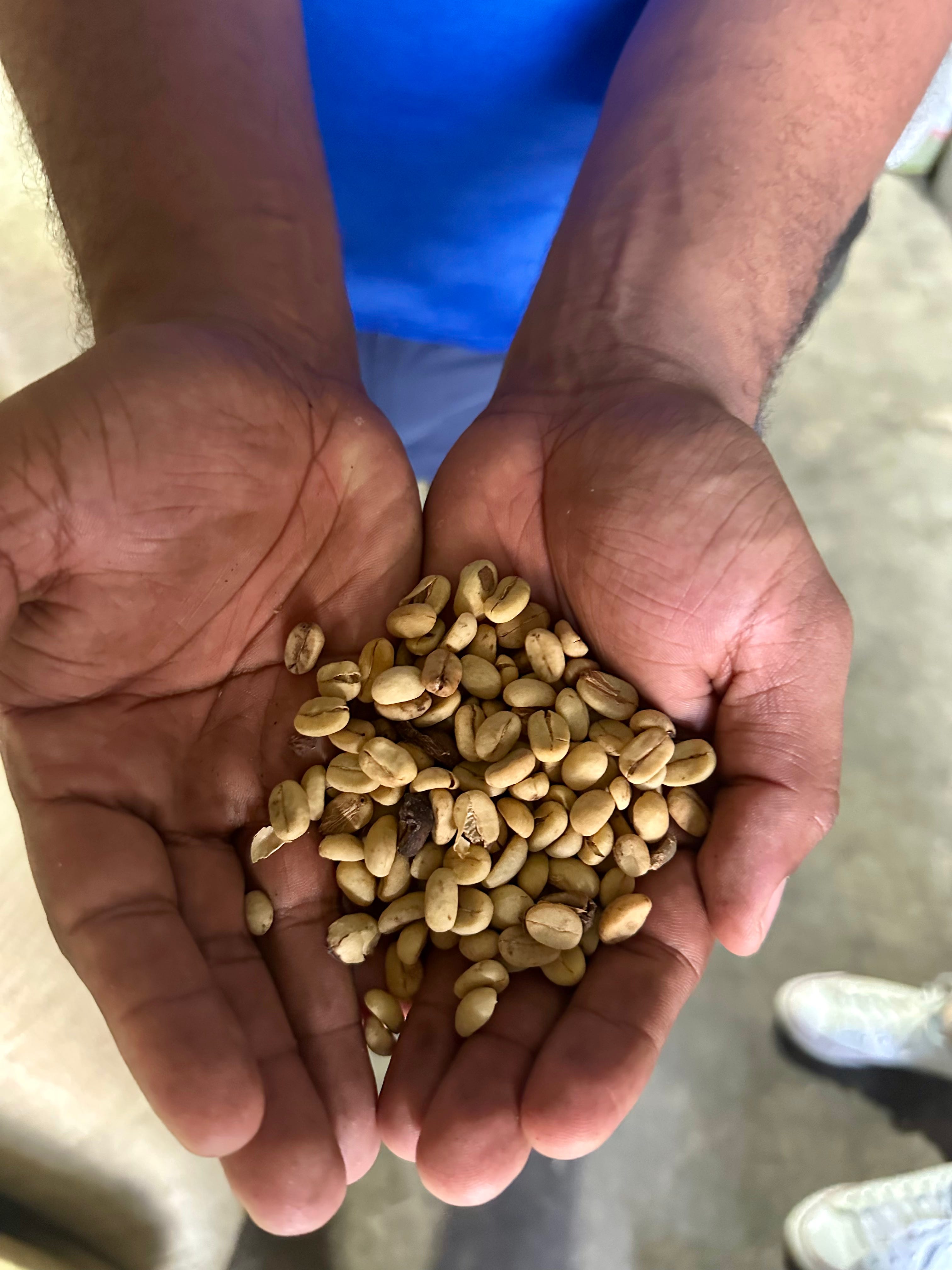
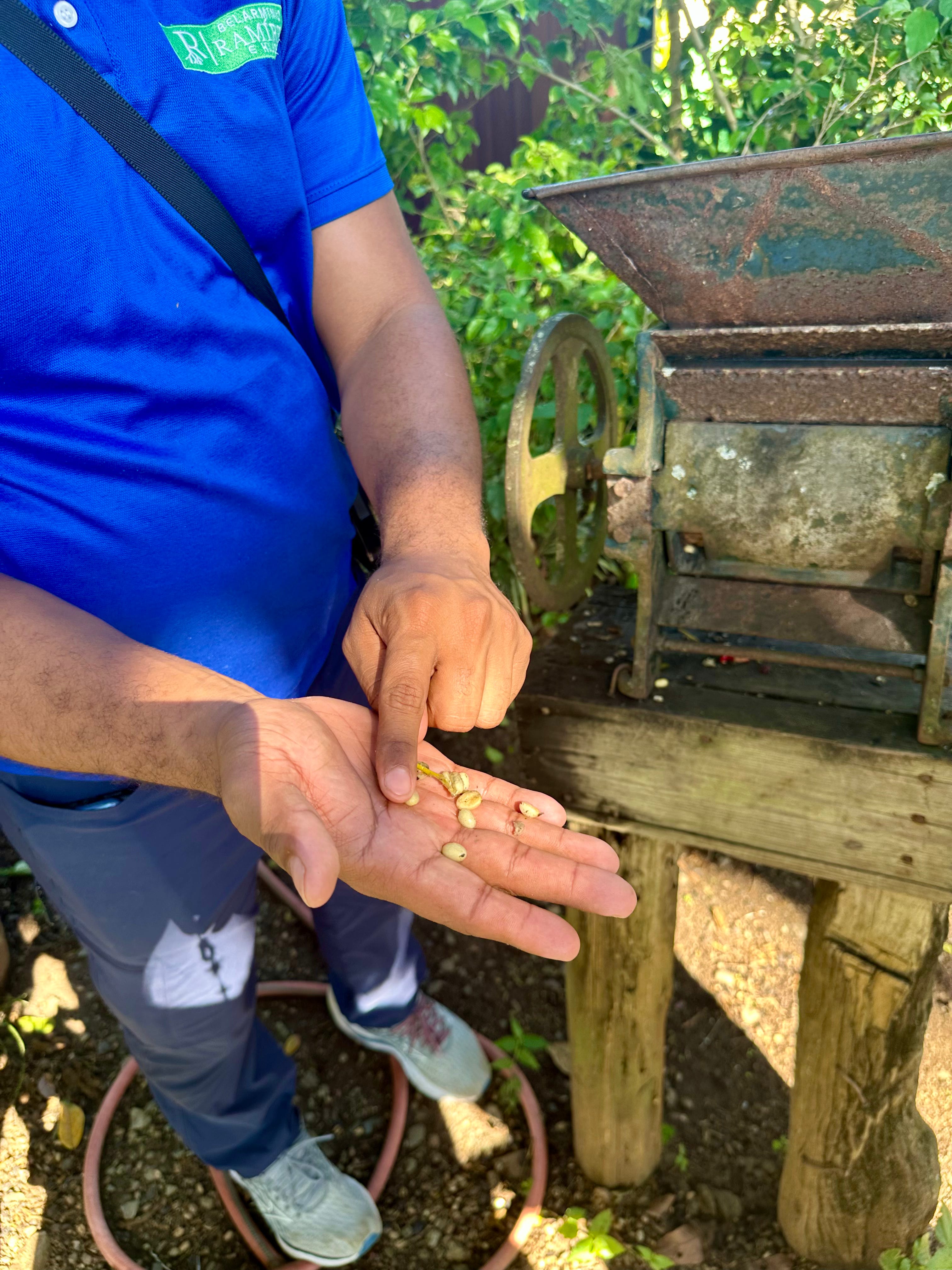
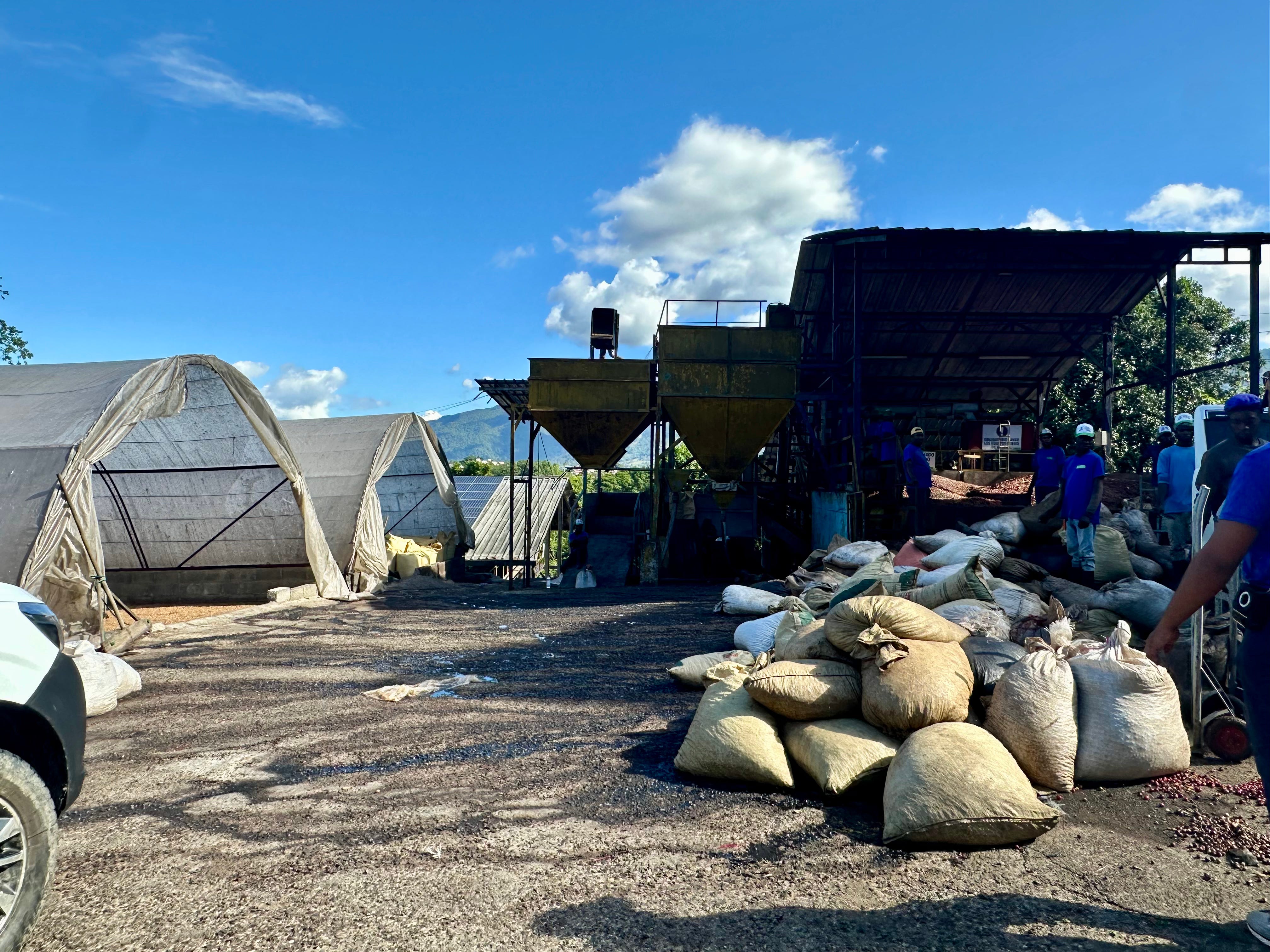
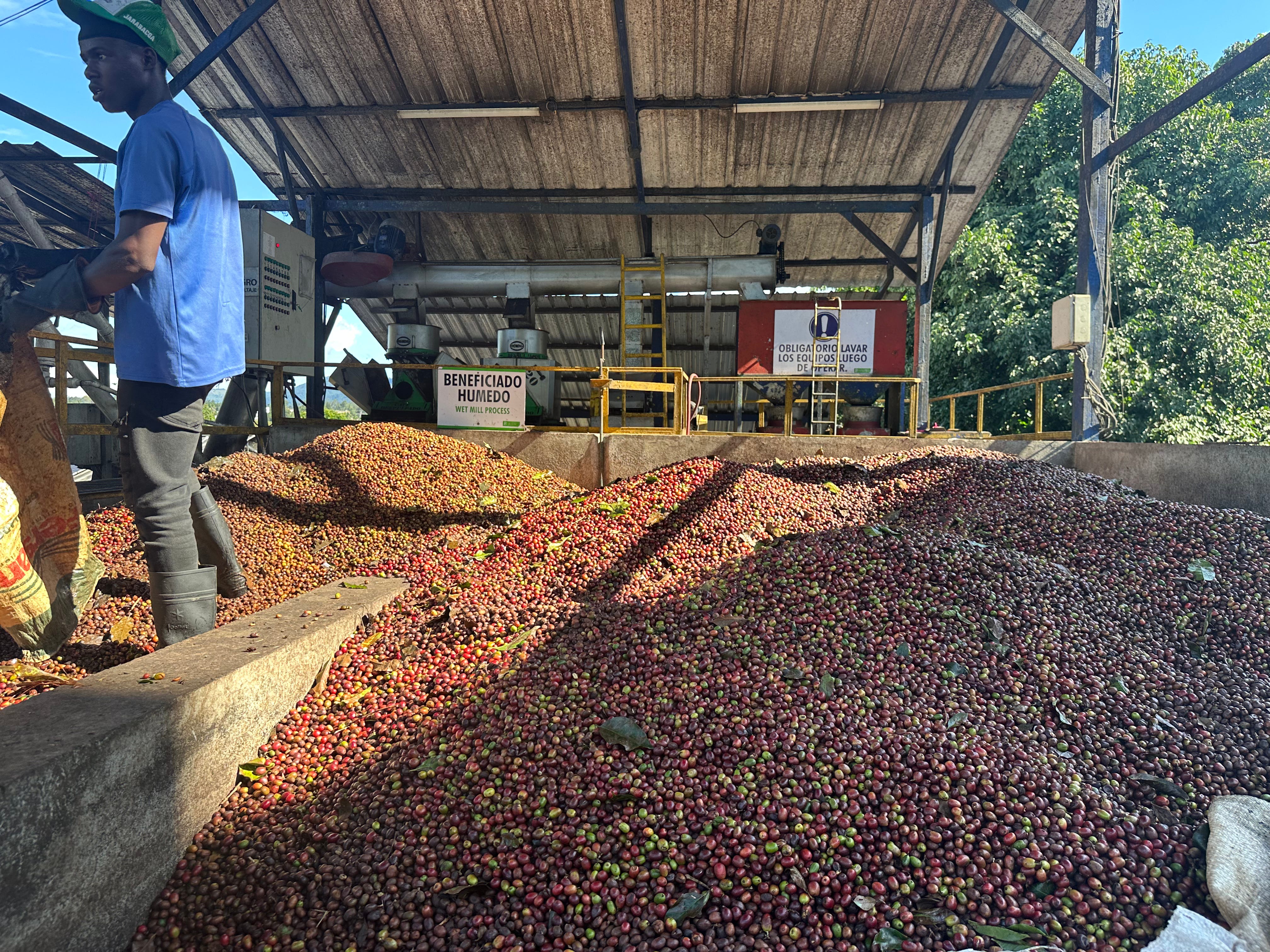
While visiting the Ramirez Estate farm in Jarabacoa I was reminded of how location matters so much in coffee. It was such a beautiful experience to see the farmers washing the beans, separating the higher quality beans from others, and watching them roast to perfection.
While the "perfect" coffee bean does not exist, as I feel it is also very personal, Dominican Republic provides exceptional conditions for distinctive high quality coffee. The high altitude, the shaded coffee trees, the nutrient rich terroir, tropical climate, and the most prevalent Arabica varietals - Caturra and Typica all contribute to the character of Dominican coffee.
The Difference Between Typica and Caturra
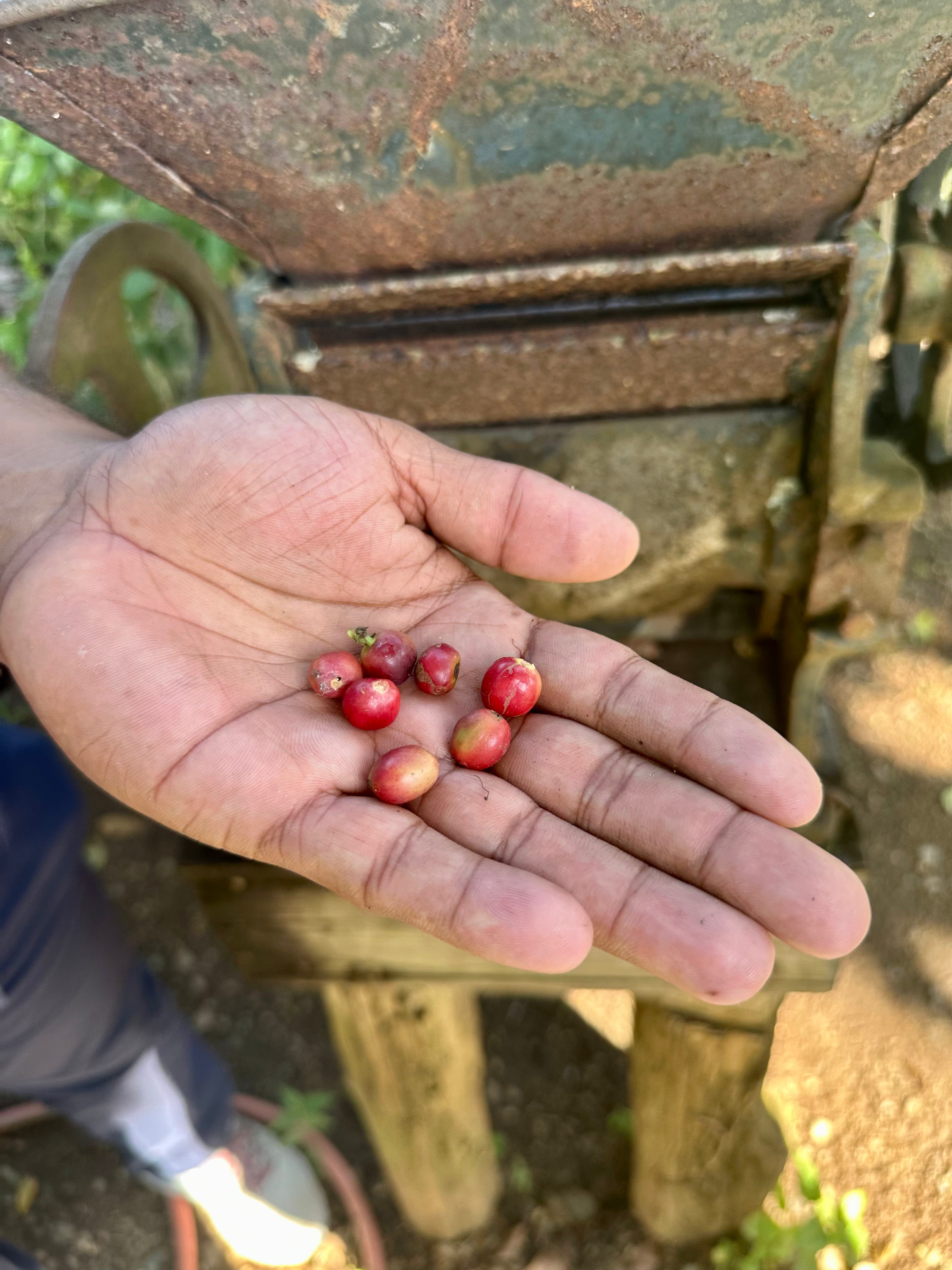
Caturra, a natural mutation of the Bourbon variety, has a citrus, bright flavor with pronounced acidity and is smaller in size. Due to its compact size, it’s a great option for higher productivity and yields.
Typica, a foundational varietal, which means it’s one of the purest forms of Arabica, has exceptional flavor but lower yield. It has a clean and balanced acidity with a medium body and chocolate notes.
These two varietals make up most of coffee production in Dominican Republic and together offer a marriage of the best of both worlds, citrus notes and chocolate notes. It’s interesting that although these are both considered Arabica they taste very different and reflects the diversity of coffee even within a single type.
Terroir and Regional Differences
Even within the Dominican Republic terroir varies dramatically from region to region, shaping the flavor of coffee varietals. An example is comparing the regions of Jarabacoa and Barahona.
Jarabacoa is located in the central mountain region of the country. The altitude in this area ranges from 500-1500 meters above sea level and it has cool temperatures all year round. The volcanic soil, large amounts of shade, and cool weather all contribute to the bright, citrus, and medium body flavor profile of coffee grown here.
Barahona, an area located on the southwest part of the country near the coast, sits at an altitude of 600-1200 meters, a bit lower and warmer than Jarabacoa. This region also has much more sun exposure and less shade than Jarabacoa. The clay based soil, drier and warmer climate all contribute to a flavor profile that is earthy, round, and full bodied with chocolate notes.
It's incredible how these regions shape the taste of what ends up in my cup. I couldn’t help but see the resemblance of coffee cultivation with wine. They both rely on so much more than just the bean (or grape) and their roast (or aging) for the final flavor.
A Ritual That Feels Like Home
Seeing the care that went into every step, from harvesting to washing and drying, was a reminder that exceptional coffee doesn't begin with roasting. It begins with people. Years of working in Fairtrade taught me how important producers are to every cup, but standing on the farm gave that understanding a much more personal meaning.
Beyond the specific technicalities it was a memory grounded in home. Coffee for me is an experience, a family ritual, a moment to pause and reconnect. The Ramirez Farm is a perfect example of that - fresh mountain air, warm hospitality, and a strong sense of community.
This is the coffee we grew up with, and we are so honored to be sharing a piece of home with you.
If you'd like to bring the experience to your own kitchen, shop our small-batch roasts and savor a bit of Dominican Republic in your cup.